Turn Tasks Into Routines
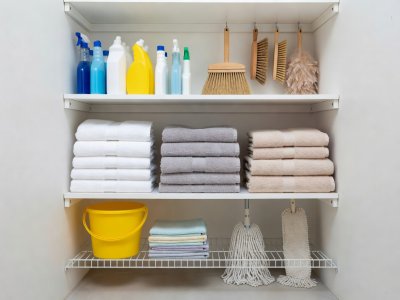
Behind every five-star review is an unseen, rigorously maintained operating routine. Hospitality might be an art, but property management is a science. When hosts rely on memory to restock coffee, check for damage, or reset the thermostat, failure is inevitable. Transitioning from informal tasks to codified routines is the hallmark of a professional hosting system.
The Turnover Sequence
The turnover—the critical window between check-out at 11:00 and check-in at 15:00—is where your systems are tested most severely. This four-hour block leaves no room for hesitation or resource scarcity.
A standard turnover routine must include:
- Initial Sweep and Damage Assessment (11:00 - 11:15): Before any cleaning begins, the property must be walked to identify missing items, damage, or rule violations (such as illicit smoking). Finding a broken window at 14:45 leaves no time for recovery.
- Staging and Stripping (11:15 - 11:45): Gathering all linens and towels, starting the first load of laundry, and staging cleaning supplies in central locations.
- Deep Execution (11:45 - 14:00): Systematically cleaning from top to bottom, dry (dusting, vacuuming) to wet (sprays, mopping).
- Restocking and Reset (14:00 - 14:45): Refilling consumable inventory (toilet paper, soap, coffee pods) to predetermined baseline levels. Resetting thermostats and lighting to the "welcome" setting.
- Final Polish and Departure (14:45 - 15:00): A final walk-through from the perspective of a guest walking in the front door.
Standardizing Inventory
One of the most effective ways to build a robust routine is to standardize your physical assets. Every bed should use identical white linens. This allows for bulk laundering and ensures that a stained pillowcase doesn't render an entire patterned set useless. If you manage multiple properties, standardizing coffee makers, smart TVs, and soaps across your portfolio means your team only needs to learn one set of troubleshooting steps.
We advocate for the "Par Level" inventory system borrowed from the hotel industry. Establish a minimum baseline for every consumable. If the baseline for toilet paper is six rolls, the cleaner's routine dictates they must leave exactly six rolls upon departure. This prevents overstocking (which encourages guest hoarding) and understocking (which leads to complaints).
Digital Routine Enforcement
Paper checklists are easily ignored. Utilizing specialized turnover software—such as Turno or Breezeway—allows hosts to create digital checklists complete with required photo uploads. Mandating a photo of the inside of the oven or the arrangement of the living room pillows ensures accountability and provides a visual timestamp of the property's condition prior to the next guest's arrival.
Preventative Maintenance Routines
Routines extend beyond the daily turnover. A robust operating system schedules preventative maintenance to avoid catastrophic failures during a stay. This includes:
| Frequency | Task Routine |
|---|---|
| Monthly | Inspect HVAC filters, test smoke/carbon monoxide detectors, flush slow drains. |
| Quarterly | Deep clean carpets, inspect weather stripping, assess battery levels in smart locks. |
| Bi-Annually | Service HVAC units, clean gutters, inspect roof for damage, restock emergency kits. |
By scheduling these tasks well in advance and assigning them to a specific owner in your co-hosting arrangement, you transform unpredictable property degradation into a manageable, budgeted routine.