Design the Guest Arrival
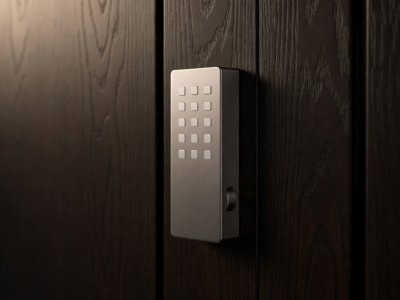
The moment a guest steps up to your property is the most critical juncture of their stay. It sets the tone for their entire experience and dictates whether they perceive you as a professional operator or an amateur host. Designing a flawless arrival system requires moving away from manual, ad-hoc text messages and towards a structured, repeatable sequence.
The Philosophy of Arrival
In short-term rental operations, the goal is zero friction. Guests are often fatigued from travel, dealing with time zone changes, and navigating unfamiliar streets. A well-designed arrival system anticipates these physical and cognitive burdens. It means eliminating complex instructions and relying on intuitive, sequential steps that guide the guest from the street to the living room.
We advocate for the "Three-Point Verification" approach to arrivals. First, the guest must easily identify the property from the exterior. Second, they must securely and independently access the perimeter (building doors, gates). Finally, they must effortlessly enter the specific unit.
Hardware Choices: Physical vs. Digital Keys
The foundation of your check-in system rests on the hardware you choose. While lockboxes containing physical keys are a traditional fail-safe, they are inherently flawed for scaling operations. Codes can be compromised, keys can be lost or copied, and they require physical presence to cycle codes between guests.
Modern operators lean heavily on smart locks. Devices such as the Schlage Encode, Yale Assure Lock 2, and August Wi-Fi Smart Lock integrate directly with property management software (PMS) like Hospitable, Guesty, or OwnerRez. This integration allows for the automatic generation and deletion of unique access codes for each reservation—typically mapped to the last four digits of the guest's phone number.
When selecting hardware, consider the climate. Extreme cold can drain batteries rapidly, while direct sunlight can warp internal mechanisms. Always implement a redundant entry method—a concealed physical lockbox containing an override key should remain on-site in the event of total hardware failure.
Structuring the Arrival Sequence
Your communication timeline must be carefully orchestrated. Bombarding a guest with access codes weeks in advance increases the likelihood of the information being lost or misunderstood. Instead, build a sequenced delivery routine.
- Post-Booking Confirmation (Immediate): Acknowledge the reservation. State the standard check-in time (e.g., 15:00) and check-out time (e.g., 11:00). Provide a brief overview of the neighborhood.
- Pre-Arrival Briefing (72 Hours Out): Send the specific property address, parking instructions, and a request for the guest's estimated time of arrival. Do not send access codes yet.
- Access Delivery (24 Hours Out): Deliver the step-by-step entry guide. This message contains the unique door code, WiFi credentials, and any specific quirks about finding the unit (e.g., "Take the second gate on the left").
- Post-Arrival Check-In (2 Hours After Check-In Time): An automated message ensuring they gained access smoothly and asking if the property meets their expectations.
Handling Early Check-Ins and Baggage Drop
Exceptions to the standard 15:00 check-in time are inevitable. Your system must dictate how these requests are handled. Do you charge a flat fee for early check-in? Do you allow complimentary luggage drop-off while the cleaning crew finishes? Whatever your policy, it must be documented and communicated clearly to your co-hosts to ensure uniform enforcement.
For urban properties, partnering with local luggage storage services like Bounce or LuggageHero can offload the logistical burden entirely, keeping your property secure and your cleaning schedule uninterrupted.
Regulatory and Security Checkpoints
In many jurisdictions across Europe and parts of North America, local regulations require operators to collect identification or charge tourist taxes upon arrival. Integrating digital check-in platforms (like Superhog or Enso Connect) allows you to capture necessary IDs, process security deposits, and collect digital signatures on rental agreements before the access code is ever released. This creates a secure, compliant barrier that protects your asset without requiring an in-person meet-and-greet.